Hoja de ruta de la Federación Mundial del Corazón para la Enfermedad de Chagas
- Dr Ezequiel Zaidel
- julio 2, 2023
- Consejo Enfermedad de Chagas
- chagas
- 0 Comments
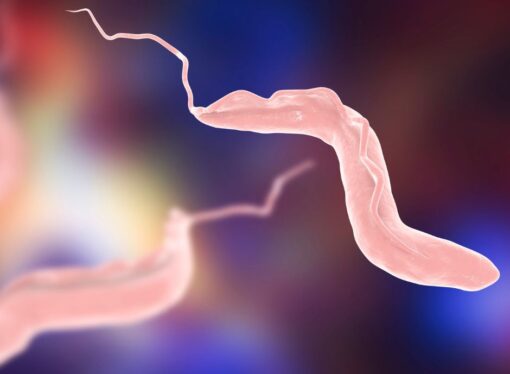
Chagas disease is a neglected tropical disease caused by the protozoan Trypanosoma cruzi , with some of its most serious manifestations affecting the cardiovascular system. It is a chronic and stigmatizing condition, closely associated with poverty, and affects approximately 6 million people worldwide. Although historically the disease was confined to endemic areas of Latin America, recent years have seen increasing global spread. In addition to the morbidity and mortality associated with the disease, the social and economic burdens on individuals and society are substantial. Often called the «silent killer,» Chagas disease is characterized by a long, asymptomatic phase in affected individuals. Approximately 30% develop chronic Chagas cardiomyopathy and other serious cardiac complications, such as stroke, arrhythmias, and severe heart failure.
Given the importance of this disease for Latin America, we have invited Dr. Ezequiel Zaidel from Argentina to present an editorial on this important topic for our continent.
Dr. Raúl Villar
Internist, diabetologist, La Serena, Chile
President of the Pan-American College of Endothelium
Governor for Chile, LASH
In charge of the LASH website and Twitter account
Member of the SIACPREVENT and MISIAC boards
Honorary Member SCCH
Despite being the most neglected tropical disease ( 1), Chagas disease (CD) can cause serious and life-threatening cardiac complications. The World Heart Federation (WHF) and the Inter-American Society of Cardiology (SIAC) have joined forces and developed a roadmap (2,3,4) to address the impact of CD on cardiovascular health.
The roadmap established 4 key strategies to improve the prevention, diagnosis and treatment of ECh.
1. Increase awareness among health professionals, policymakers and the general public; the document describes specific barriers and potential solutions .
2. Strengthen surveillance and reporting of ECh cases to improve understanding of the burden of disease and inform public health interventions.
3. Improve access to diagnosis and treatment of ChCl. This includes the development of new diagnostic and therapeutic tools, but primarily ensuring that existing diagnostic and treatment options are accessible and affordable, and guaranteeing that all individuals with the disease receive appropriate care.
4. Promote research on ACE and its cardiovascular impact. This includes investigating the long-term effects of ACE and developing new medical and social prevention strategies, diagnostic methods, and new drugs.
The roadmap also highlights the importance of partnerships between different sectors and stakeholders, including governments, healthcare providers, research institutions, and patient organizations. These partnerships are fundamental to the success of CAD control and prevention efforts. For example, cardiologists can conduct research and publish findings, but it is all in vain without ongoing political support for implementation https://revista.ieproes.edu.sv/
I believe this WHF IASC roadmap is an ambitious and comprehensive plan to address the burden of Chagas disease on cardiovascular health. Implementing the strategies outlined in the roadmap could potentially improve the prevention, diagnosis, and treatment of Chagas disease and ultimately reduce its burden on cardiovascular health.
See LINK HERE
1)Zaidel EJ, Sosa Liprandi Á. Neglected of the neglected: Crude reality of Chagas disease. Medicine (B Aires). 2021;81(4):675-676. English. PMID: 34453823.
2)Echeverría LE, Marcus R, Novick G, Sosa-Estani S, Ralston K, Zaidel EJ, Forsyth C, RIbeiro ALP, Mendoza I, Falconi ML, Mitelman J, Morillo CA, Pereiro AC, Pinazo MJ, Salvatella R, Martinez F, Perel P, Liprandi ÁS, Piñeiro DJ, Molina GR. WHF IASC Roadmap on Chagas Disease. Glob Heart. 2020 Mar 30;15(1):26. doi:10.5334/gh.484. PMID: 32489799; PMCID: PMC7218776.
3) Spanish version (pdf): https://s3-eu-west-1.amazonaws.com/ubiquity-partner-network/up/journal/gh/484-1798-3-PB%20Spanish.pdf
4) Portuguese version (pdf): https://s3-eu-west-1.amazonaws.com/ubiquity-partner-network/up/journal/gh/484-1798-3-PB%20Portuguese.pdf
5) Link to video in Spanish: https://www.youtube.com/watch?v=p6Uq3l_OAEA&feature=youtu.be
Tags: chagas